
International Survey of Cultural Prescribing Initiatives and Trends — Singapore
This original article was written by Chun-Ni Chiu, Collaborating Researcher at the ART Co-Creation Hub (National Museum of Ethnology), and first appeared here. Translated from Japanese into English with the assistance of Google Translation and ChatGPT (OpenAI, GPT-6).
Click here for more ART Co-Creation Hub news.
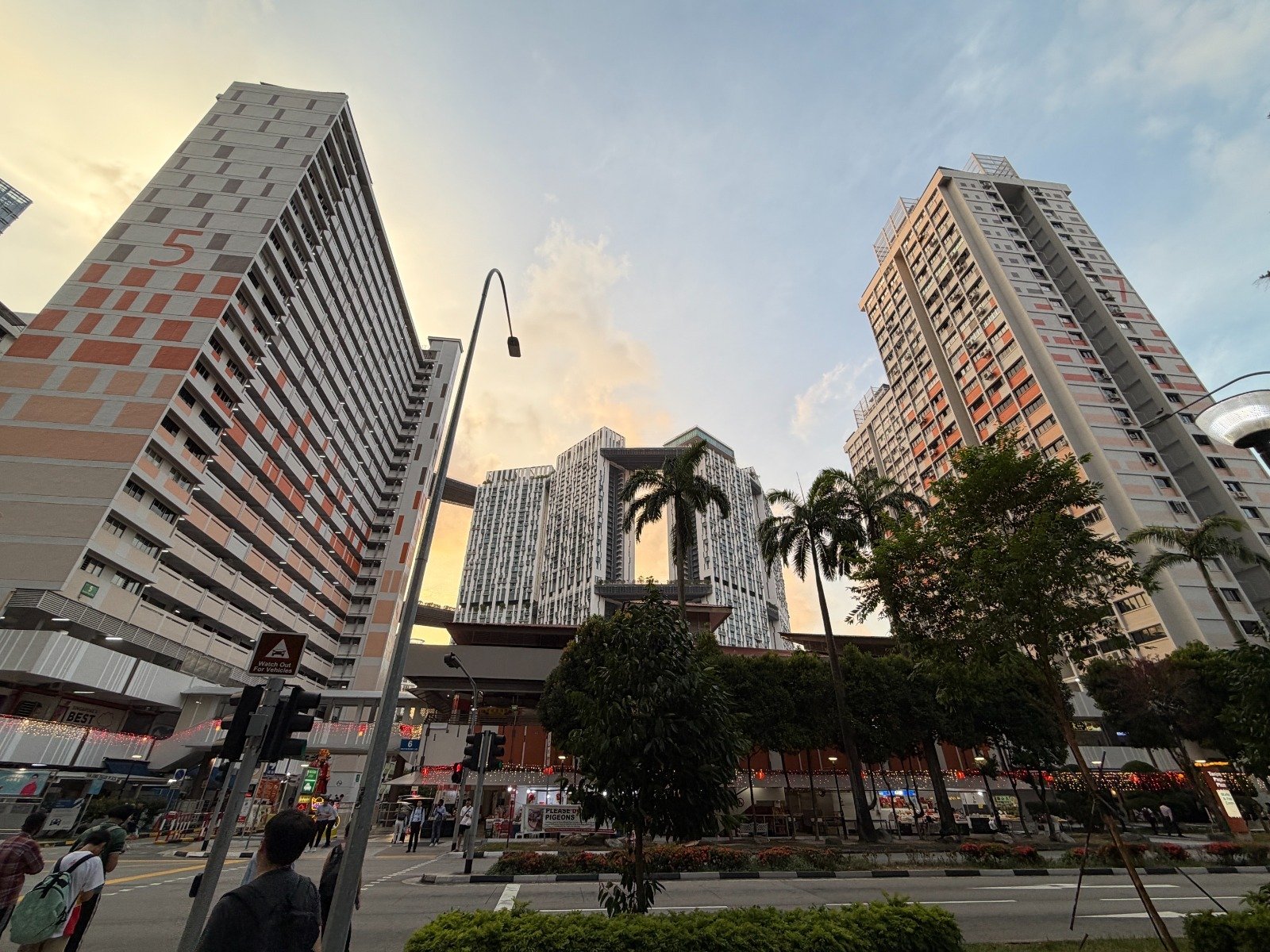
Following their research visit to Taiwan, members of the ART Co-Creation Hub visited Singapore, where they exchanged views with stakeholders at the forefront of social prescribing practice and policy development, spanning museums, art galleries, government agencies and healthcare institutions.
Singapore, a multicultural society expected to become a super-aged society in 2026, is exploring how to harness the power of culture and the arts to promote health and well-being. This research visit was conducted in late January 2026 as part of the ART Co-Creation Hub's international collaboration efforts. Three members of the Hub, representing different areas of expertise*, exchanged views with 21 stakeholders from a wide range of sectors, including museums, art galleries, government agencies and healthcare institutions. The visit provided a multifaceted understanding of developments in social prescribing in Singapore, while also offering an opportunity to share the Hub's research and development initiatives in cultural prescribing.
*This research was conducted by Chun-Ni Chiu, Collaborating Researcher at the ART Co-Creation Hub (National Museum of Ethnology); Ryoichi Takagi, Project Researcher (Research and Development Project 2); and Hiroki Hayashi, Project Researcher (Archives).
In Singapore, healthcare institutions, particularly SingHealth Community Hospitals (SCH), have pioneered systematic initiatives under the concept of "social prescribing". Collaboration with non-healthcare sectors, including the National Heritage Board (NHB) and National Arts Council (NAC), has also advanced, with the government establishing clear policy directions linking arts and cultural heritage to health and well-being. Singapore shares many challenges with Japan, including population ageing and social isolation. However, it has articulated a clear vision and rapidly established the necessary systems and funding mechanisms. This visit provided valuable insights for advancing the Hub's future research, development and international collaborations.
*In Singapore, these practices are referred to as "social prescribing". The terms "cultural prescribing" or "cultural prescription" are not used.
Background and Objectives of the Study — Seeking Practice-Based Knowledge from Asia
In Singapore, social prescribing initiatives are advancing through collaboration across the healthcare, cultural and arts sectors, creating a distinctive ecosystem. As part of its international collaboration efforts, the Hub aims to develop an "Asian Model of Cultural Prescribing" that draws on values and traditions unique to Asia. Following its research visit to Taiwan, the Singapore visit represented the second step in understanding the practices and institutional frameworks developed in the region.
The research visit was planned around three perspectives:
1. Practice on the Ground
The design and delivery of programmes for diverse participant groups in cultural institutions, evidence generation and workforce development.
2. Policy and Systems
Interministerial collaboration, the positioning of arts within health and well-being policies, and the current state of social prescribing initiatives.
3. International Collaboration
Building partnerships towards establishing an "Asian Cultural Prescribing Network" centred on the Hub.
The following sections provide an overview of the findings from each institution visited.
National Museum of Singapore's Reunion — Creating a Place of Belonging for Older Adults
The research team travelled to Singapore on an overnight flight. Upon arrival on 26 January, they visited cultural institutions and arts activities, including the Peranakan Museum and Singapore Art Week, gaining firsthand impressions of Singapore's multicultural society and local arts scene. On the morning of 27 January, the team visited the National Museum of Singapore. With a history spanning 138 years, it is Singapore's oldest museum and operates under the National Heritage Board. Through interactive exhibitions, talks and workshops, the museum presents Singapore's multicultural heritage from new perspectives. It also offers specialised programmes for children and older adults throughout the year. Throughout the museum, families and children could be seen relaxing and spending time together, leaving a strong impression of the museum as a welcoming place where diverse communities gather.
As part of the visit, the team toured Reunion, a dedicated social space for older adults that opened in April 2023, and exchanged views with the museum's Senior Access Programme team. Reunion is Singapore's first and only museum-based social space specifically designed for older adults*. Developed around the concept of a "home", the space is loosely divided into five areas, including a living room, a quiet bedroom-like area and a study-inspired space. Warm colours and age-friendly furniture create a comfortable environment. Its design drew on the expertise of RSP Architects Planners and Engineers, alongside extensive consultations with older adults, including people living with dementia, caregivers, and healthcare and social service professionals. Through these consultations, Reunion sought to balance functionality that meets users' and programmes' needs with an environment that warmly welcomes all older adults.
The experience at Reunion is guided by four principles:
1. Reminisce & Reconnect
Reflecting on the past and reconnecting with others.
2. Relate & Retell
Sharing personal stories and experiences.
3. Build Relationships
Nurturing relationships with old and new friends.
4. Relax & Rejuvenate
Taking a break from everyday life and finding moments of comfort.
What was particularly striking was Reunion's positioning as a neutral "third place", neither home nor workplace. In response to the declining availability of accessible spaces where older adults can spend time comfortably, Reunion aims to function as a community resource that welcomes everyone, while maintaining a particular focus on older adults.
*Reunion was established with support from the Lien Foundation (funding) and RSP Architects Planners and Engineers (design).
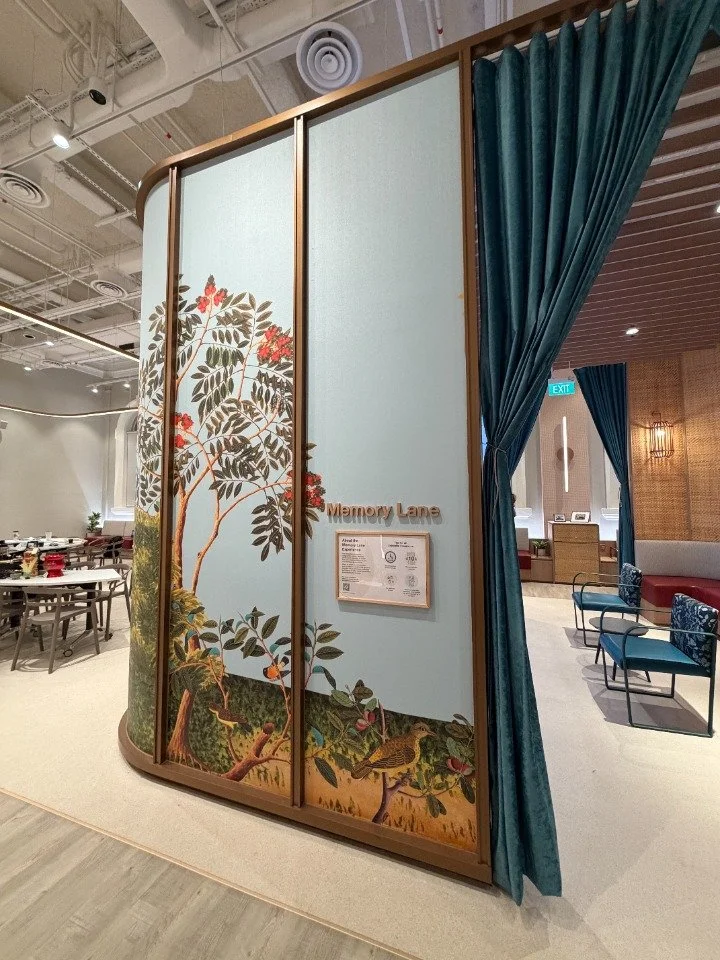
A study-inspired space at Reunion, National Museum of Singapore.
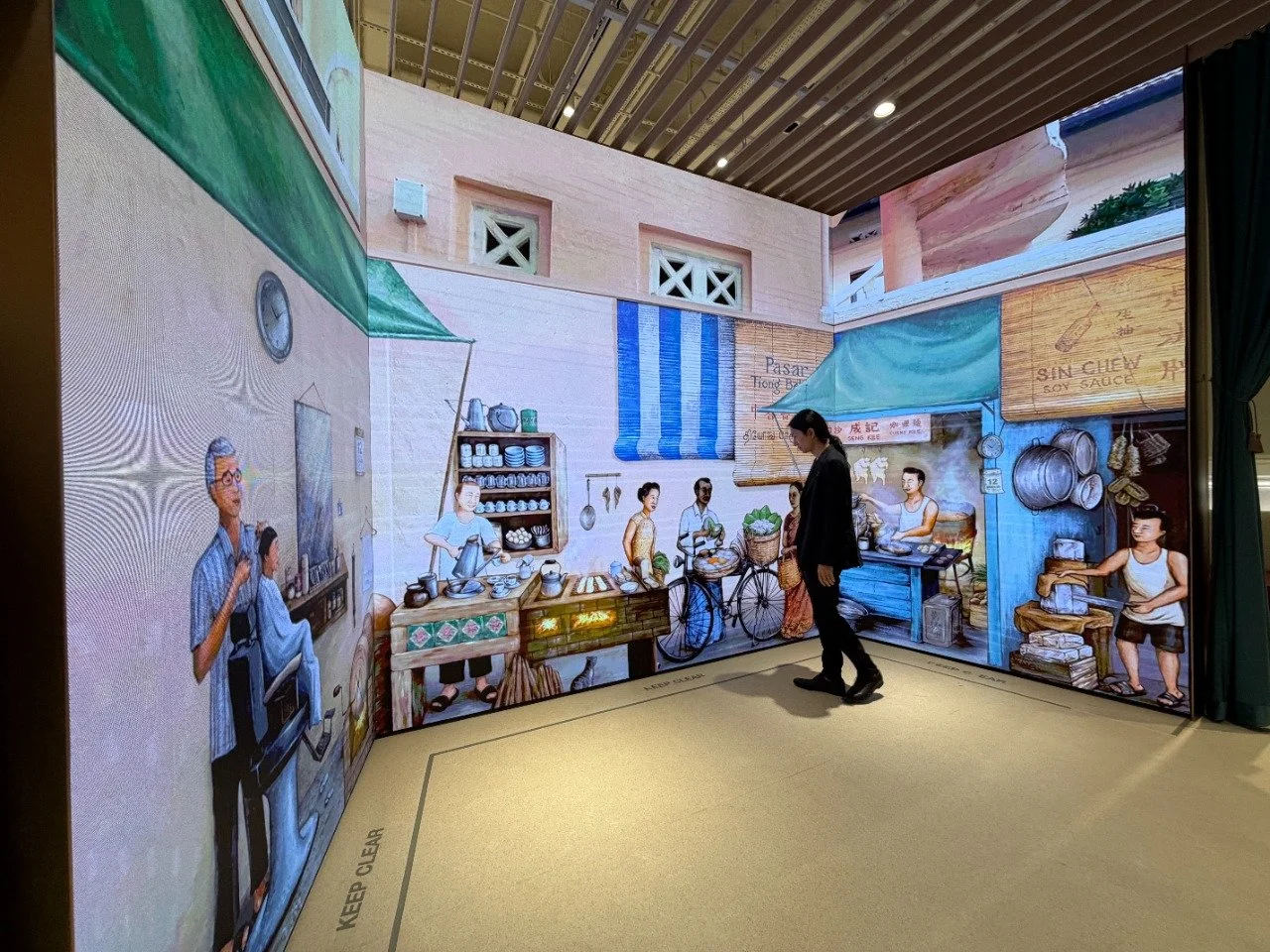
“Memory Lane”, a VR exhibit incorporating reminiscence therapy, located within the study-inspired space.
The Senior Access Programme team introduced the wide range of activities based at Reunion. For public programmes and customised group sessions, the team identifies participants' needs and language preferences in advance, providing personalised support in small groups. Intergenerational programmes are also actively developed, including food heritage experiences pairing older adults with younger participants and activities involving kindergarten children. The team reported observing that older adults often became more actively engaged and demonstrated greater initiative when interacting with younger generations.
Approximately 60 care facilitators play a central role in delivering these programmes. Of these, 75% are themselves aged 50 and above. Facilitator-to-participant ratios range from 1:1 for participants with higher support needs to a maximum of 1:5. Notably, the approach differs fundamentally from conventional museum guiding. Rather than providing one-way explanations, facilitators use object-based guiding techniques, asking open-ended questions inspired by exhibits. This encourages older adults to become the storytellers, placing their experiences at the centre of the interaction. The approach represents a form of empowerment-based facilitation.
In terms of research, the museum is collaborating with Duke-NUS Medical School on a study examining the effects of museum-based, non-medical interventions on well-being. The study involves a six-week programme connecting Singapore's history with older adults' personal life histories. The research seeks to demonstrate how museums can contribute to community well-being without providing clinical interventions, while developing an evidence base that establishes a "common language" with the healthcare sector.
Over two and a half years, Reunion has delivered more than 500 programmes. The team identified several challenges for the future, including caring for staff and facilitators, ensuring sustainability, balancing programme expansion with individualised support, and recruiting Malay- and Tamil-speaking facilitators to serve Singapore's multicultural population. Reunion is temporarily closed due to renovation works across the museum, with reopening planned for 2027. Building on its accumulated experience, Reunion intends to develop increasingly meaningful programmes that resonate with older adults and strengthen intergenerational connections within the community. The research team also recognised similarities between Reunion's approach and the Hub's Art Communicator Training Programme, identifying opportunities for mutual learning in facilitator development and empowerment-based approaches.
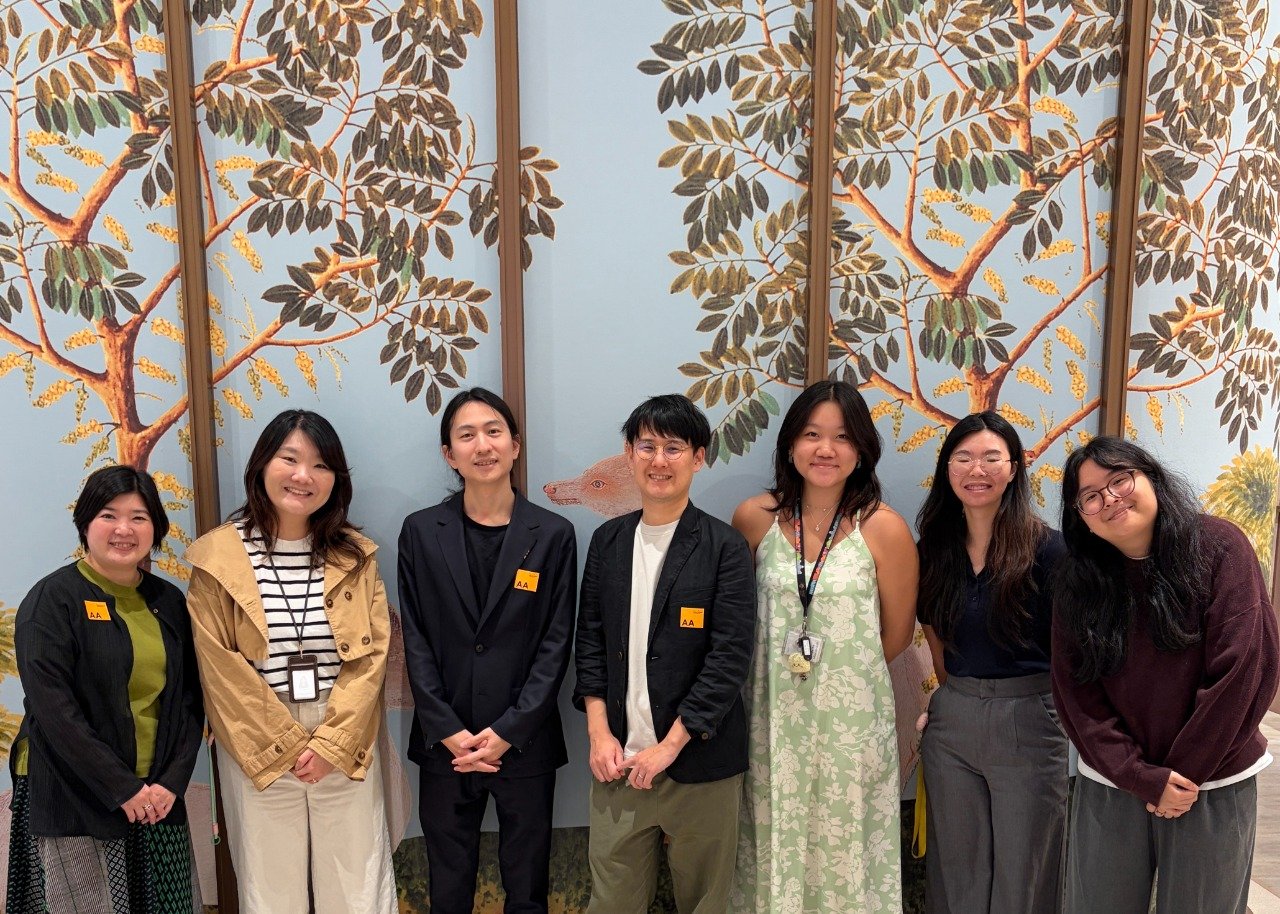
The National Museum of Singapore’s Senior Access Programme team with members of the research team.
National Heritage Board (NHB) — Promoting Well-being Through Cultural Heritage
On the afternoon of 27 January, the research team visited the National Heritage Board (NHB) and held interviews and discussions with its Education & Community Outreach division. NHB is a statutory board under the Ministry of Culture, Community and Youth (MCCY). It oversees museums and heritage institutions, including the National Museum of Singapore, Asian Civilisations Museum and Peranakan Museum, and is responsible for preserving, transmitting and promoting Singapore's multicultural heritage.
Under its comprehensive master plan, Our SG Heritage Plan 2.0 (2023–2027), NHB identifies "Heritage-based Interventions for Health & Well-being" as a key priority in its community initiatives. In line with this policy, NHB implements diverse programmes across its museums and heritage institutions to improve accessibility.
At the centre of these efforts is HeritageCares, an accessibility initiative that provides heritage programmes for underserved communities through partnerships with social service agencies (SSAs) and non-profit organisations. The initiative has three objectives: reducing barriers to access, promoting well-being through heritage, and encouraging volunteer participation. Its target groups include older adults, children and young people facing socioeconomic disadvantages, and individuals requiring additional support. Programmes include reminiscence activities using paintings from the National Collection to encourage older adults and volunteers to share memories of Singapore's past, as well as activities combining nostalgic music with dance exercises for older adults.
A particularly noteworthy aspect is NHB's proactive effort to bring programmes beyond museum walls. By conducting hands-on heritage workshops directly at partner organisations, including Active Ageing Centres, NHB reaches participants who may find it difficult to visit museums. NHB also develops resources that can be used outside museums, such as Heritage Trunks containing themed tactile objects, and My House of Memories, a reminiscence app for people living with dementia developed in collaboration with National Museums Liverpool in the United Kingdom. This approach of bringing programmes and resources directly to participants aligns closely with the Hub's philosophy of cultural prescribing.
NHB also supports its museums in developing their own well-being initiatives. At the Asian Civilisations Museum, the "ACM & Me" activity space was established in partnership with the Singapore Association for Mental Health (SAMH), offering children programmes incorporating therapeutic elements through art, music and dance. At the Peranakan Museum, the "Balik Kampong" dementia-prevention workshop is conducted in collaboration with the Health Promotion Board (HPB). Such initiatives demonstrate growing collaboration between museums and healthcare and social service organisations.
In terms of research, NHB has conducted collaborative research with NTUC Health, Khoo Teck Puat Hospital and the Geriatric Education and Research Institute (GERI). The research examined the effects of incorporating NHB's reminiscence resources into dementia daycare programmes. Reported outcomes included more meaningful interactions with older adults, stronger social connections and improved facilitation skills among care staff. NHB has also provided funding and support for the development of the THRivE Toolkit (Tools for Health Research and Evaluation in Arts and Heritage), led by the Centre for Music and Health (CMH) at the NUS Yong Siew Toh Conservatory of Music. The toolkit aims to provide practical guidance on quantitative and qualitative evaluation methods specifically tailored to arts and heritage interventions.
During discussions, NHB explained that it does not currently promote social prescribing as a standalone policy initiative. Instead, these activities fall under its broader policy objective of promoting well-being through cultural heritage. This resembles Taiwan's Ministry of Culture, which frames related initiatives around the principle of cultural equality and cultural rights. Both institutions are exploring the connections between cultural resources and health and well-being within their respective policy frameworks. NHB also expressed interest in the Hub's cultural prescribing initiatives and a willingness to explore future programme development through continued exchanges with Japan.
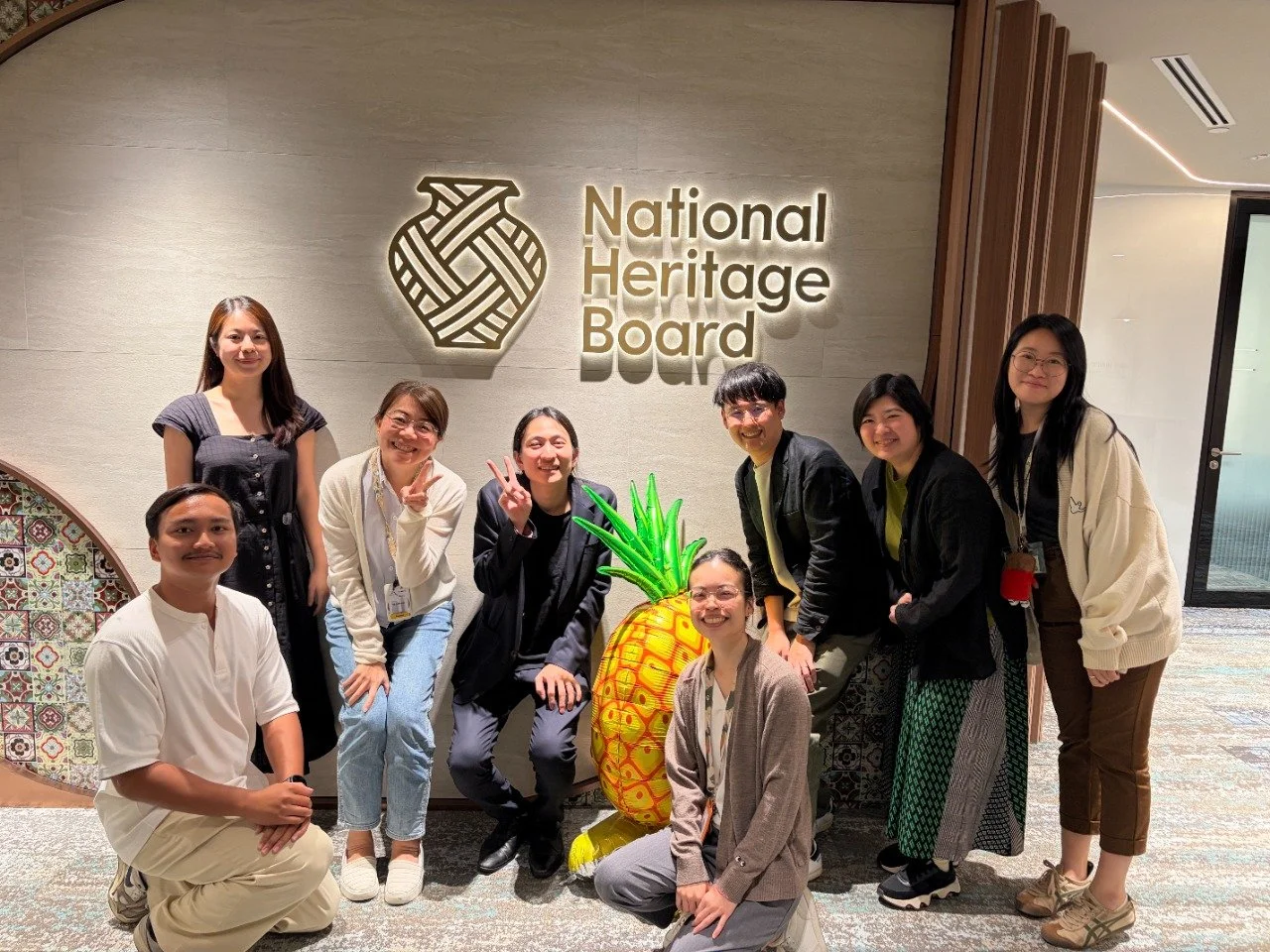
The NHB Education & Community Outreach team responsible for HeritageCares, together with members of the research team.
National Gallery of Singapore – From Learning to Care: A Challenge to Well-being Through Art
On 28 January, the research team visited National Gallery Singapore and exchanged views with the Community & Access and Learning & Outreach teams within its Public Programmes division. Opened in 2015, National Gallery Singapore is one of Singapore's leading art institutions, housing one of the world's largest public collections of modern Singaporean and Southeast Asian art. The Gallery occupies the restored and integrated former Supreme Court and City Hall buildings, both designated National Monuments, in Singapore's historic civic district, which is home to government institutions, museums, art galleries and St Andrew's Cathedral. Welcoming visitors of all ages, the Gallery offers a wide range of exhibitions, educational programmes and other activities. It operates under the National Heritage Board (NHB). In December 2025, National Gallery Singapore became the first museum in the world, and the first institution in Asia, to receive the "Healing Arts Centre of Excellence" designation from the Jameel Arts & Health Lab, in collaboration with the World Health Organization (WHO)*.
*The Healing Arts Centre of Excellence is a global recognition programme established by the Jameel Arts & Health Lab in collaboration with the WHO. It recognises cultural institutions that demonstrate exemplary practices in arts, health and well-being. National Gallery Singapore was the third institution worldwide to receive this designation, following Carnegie Hall and Scottish Ballet, and the first museum globally to be recognised.
During the visit, the research team held discussions with representatives from Learning & Outreach (L&O) and Community & Access (C&A). The L&O team provides educational programmes and outreach activities spanning early childhood through university education. In 2018, the Gallery became the first institution in Asia to receive the Children's Museum Award. Over the past decade, the Gallery has expanded its role beyond exhibitions to become a space for dialogue about diverse perspectives and social issues. As a "people's museum", it has broadened its programmes to respond to community needs and explore the role of art in everyday life, including mental well-being.
One programme introduced during the visit was Strength Through Art (stART), an arts and wellness initiative for young people aged 13 and above. The programme consists of six workshops organised around three interconnected stages: identifying emotions (Name), recognising how emotions affect oneself (Frame), and discovering new perspectives through art (Reframe). These stages aim to develop visual and emotional literacy, as well as resilience. Rather than approaching artworks solely through art-historical or theoretical frameworks, participants engage with art as a medium for expressing emotions, perspectives and lived experiences. Art thereby becomes a means for young people to reflect on their emotions, values and personal experiences.
Importantly, stART is not positioned as therapy. Instead, it seeks to build emotional "first aid" skills through guided art appreciation and art-making. Sessions are conducted in small groups of approximately 12–15 participants per facilitator. Future plans include extending the programme to younger age groups and young people who are not in education, employment or training (NEET). The programme demonstrates a new social role for museums in promoting mental health literacy. Its approach of helping participants gain new perspectives and deepen their understanding of their own emotions and values also resonates with the "perspective-taking effect" that the Hub seeks to achieve through cultural prescribing, offering useful insights for future programme development.
Since its establishment in 2018, the C&A team has worked to reduce barriers to museum access for visitors with diverse needs, including older adults and neurodivergent adults. Its work is guided by the CARES framework, consisting of five pillars: Capability Building, Advocacy, Research, Engagement and Sustainability. Programmes are developed according to the principle "Nothing about us without us", emphasising collaboration with the communities they are intended to serve.
Examples introduced during the visit included Slow Art, a mindfulness-based art appreciation programme developed during the pandemic; the HOLD Collection, which uses 2.5D tactile reproductions of artworks for visitors with visual impairments; and Art with You, which supports meaningful engagement between people living with dementia and their caregivers through art appreciation. The C&A team is exploring ways to extend the positive effects of Art with You to social service organisations by training social care staff in art appreciation facilitation.
All these programmes share a commitment to co-design with participants. In particular, Slow Art is supported by ongoing research and evidence generation, suggesting potential opportunities for comparative research and collaboration with the Hub's art appreciation programmes. Art with You also offers useful insights for the Hub's future programme development.
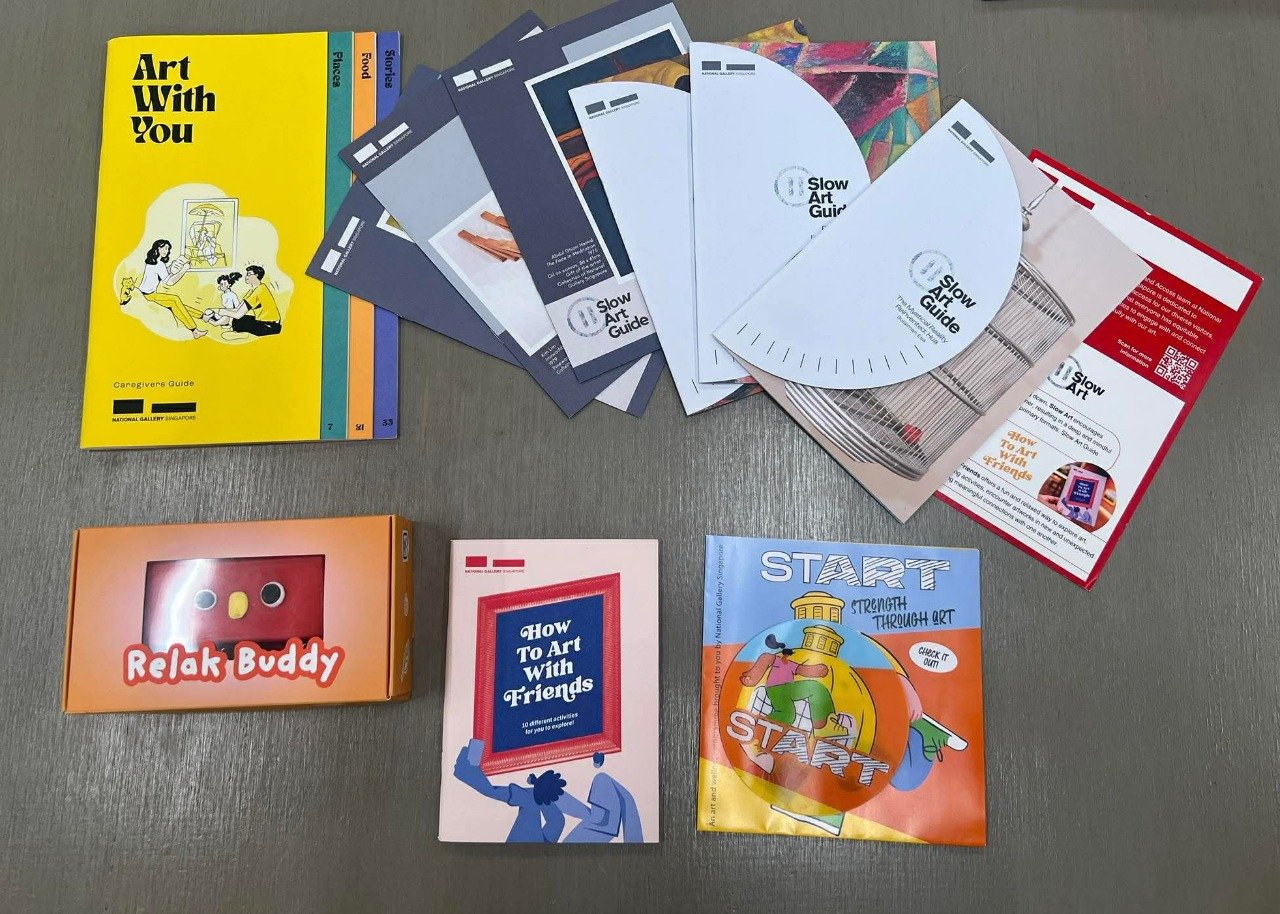
The team providing a detailed introduction to the programme tools they developed.
One of the most memorable ideas from the discussions was the "shift from learning to care". Rather than prioritising conventional art education outcomes, the Gallery is increasingly focusing on visitors' well-being and the quality of their experiences. Its aim is to create an environment where visitors feel a sense of belonging within the museum. The team's strong awareness of an "ethics of care" was equally striking. It continually reflects on how to appropriately enter, engage with and withdraw from relationships with communities, while also considering the importance of continued community care after programmes end and appropriate support for those involved. However, because these approaches differ from conventional art education, the need for specialised facilitator training was identified as an important challenge.
Particular attention was given to the psychological well-being of staff involved in programmes that engage deeply with communities. Preventing burnout among arts and health practitioners is increasingly recognised as an international concern, and both parties acknowledged its importance for future programme development. The Gallery also expressed interest in exploring opportunities for collaboration with the Hub's Art Communicator Training Programme and research initiatives through online knowledge-sharing sessions and international workshops.
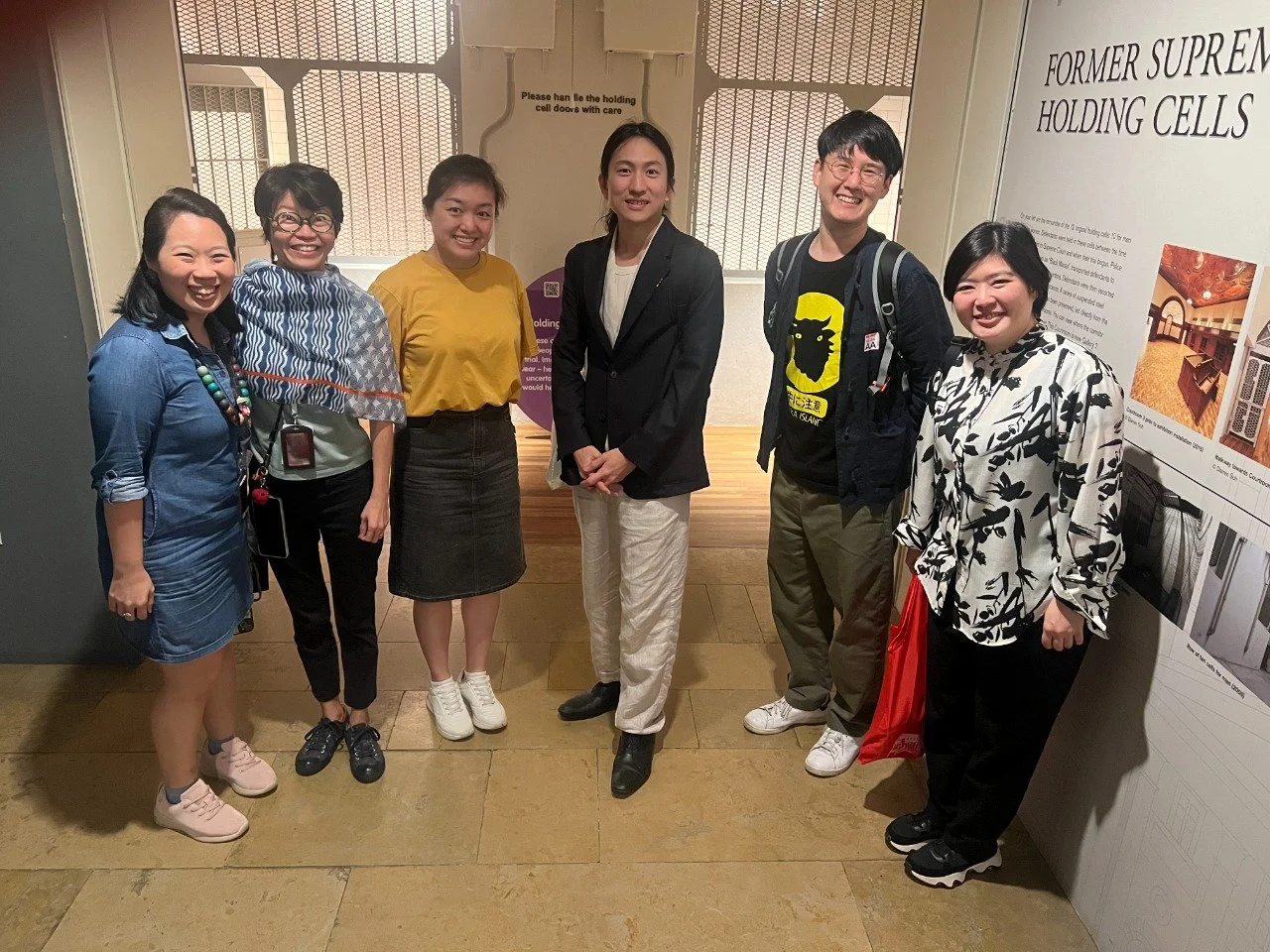
The National Gallery Singapore team with members of the research team.
National Council for the Arts (NAC) – Building an ecosystem that connects art and well-being
On 29 January, the research team visited the National Arts Council (NAC) and exchanged views with its Access & Community Engagement division. Like NHB, NAC is a statutory board under the Ministry of Culture, Community and Youth (MCCY), responsible for supporting and developing Singapore's arts sector. NAC promotes artistic excellence by providing opportunities for artists and arts organisations, while expanding public access to the arts so that more people can benefit from their contribution to everyday life. Under Our SG Arts Plan (2023–2027), NAC pursues three strategic directions: A Connected Society, A Distinctive City and A Creative Economy. Its activities range from funding artists and arts organisations to community engagement. A particularly notable strength is Singapore's systematic support for artists' career development and professional capabilities through national frameworks such as the Skills Framework for Arts, developed with SkillsFuture Singapore, and the Capability Development Grant.
Of particular relevance to this research visit is a two-year collaborative study being conducted by NAC with SingHealth Community Hospitals (SCH) and the Agency for Integrated Care (AIC). The study examines the effects of arts programmes on older adults' health and well-being through storytelling, music, dance and visual arts. Designed with reference to the United Kingdom's social prescribing framework*, the study is expected to conclude by the end of 2026, with findings scheduled for publication in the second half of 2027. These findings are expected to inform the development of a programme design framework and toolkit aimed at improving well-being outcomes. The programmes are delivered primarily in community hospitals and more than 200 Active Ageing Centres (AACs) across Singapore, overseen by AIC. Activities are tailored to participants' functional abilities and levels of frailty. Collaboration with healthcare professionals, particularly occupational therapists, is essential to programme development. These professionals support the adaptation of arts programmes for participants with varying levels of frailty, while also helping to establish shared competencies and ethical guidelines necessary for effective cross-sector collaboration.
*As confirmed during this research visit, social prescribing in England is formally incorporated into national policy, with NHS England's Standard Model of Social Prescribing serving as its official foundation. Since 2022, provision of social prescribing through Primary Care Networks (PCNs) has been mandatory. In practice, implementation varies across regions and institutions.
The main references are listed below.
One of NAC's distinctive strengths is its systematic approach to building artists' capabilities. Three areas are prioritised: facilitation (active listening and promoting social connections), programme design (establishing objectives, outcomes and evaluation methods), and reflective care and ethics (understanding appropriate ways to engage with communities). Training opportunities are designed flexibly to suit artists' needs, ranging from short modules to comprehensive programmes exceeding 120 hours. Strong emphasis is placed on practical field experience, observation and mentorship. Examples of partner organisations include ArtsWok Collaborative Limited, which runs Both Sides, Now, a long-term community arts project encouraging conversations about end-of-life issues, and Shaw Heritage Arts and Wellbeing Studios, which delivers evidence-based programmes for diverse groups, ranging from older adults to mothers experiencing postnatal depression. These examples illustrate how artists contribute across healthcare and social service settings.
Research support was also highlighted as a priority. As part of efforts to strengthen evidence generation, NAC introduced the Arts & Health Evaluation Toolkit (AHET), developed with NAC's support by the Centre for Music and Health (CMH) at the NUS Yong Siew Toh Conservatory of Music. The toolkit helps practitioners select outcome measures appropriate to the constraints and characteristics of their programmes. It is also designed to support international use and localisation. NAC has developed mechanisms to broaden community access to the arts, including ArtsEverywhere@CDC, a collaboration among NAC, the People's Association (PA) and Singapore's five Community Development Councils (CDCs). The programme brings arts experiences into communities where people live, work and spend their leisure time. Another initiative, the WeCare Arts Fund, provides comprehensive support for underserved communities by covering costs such as tickets, transport and caregiver expenses.
Across artist development, research support and expanded community access, a common principle underpins NAC's initiatives: recognising artists' professional expertise and creating sustainable employment opportunities. This approach offers important insights for the Hub's longer-term ambition of transforming society through what it calls the "industry of the heart", a goal set for the eighth year and beyond of its programme. Creating sustainable working conditions for artists is also a challenge that the Hub must address directly, and NAC's institutional frameworks provided valuable lessons. During the discussions, both parties expressed strong interest in shared issues, including evidence-based programme design and evaluation, training systems for artists, and fair remuneration standards. NAC shared resources such as relevant websites, research grant information and annual reports. The possibility of translating and localising the evaluation toolkit into Japanese was also discussed, and both parties expressed interest in continued exchanges and future collaboration.
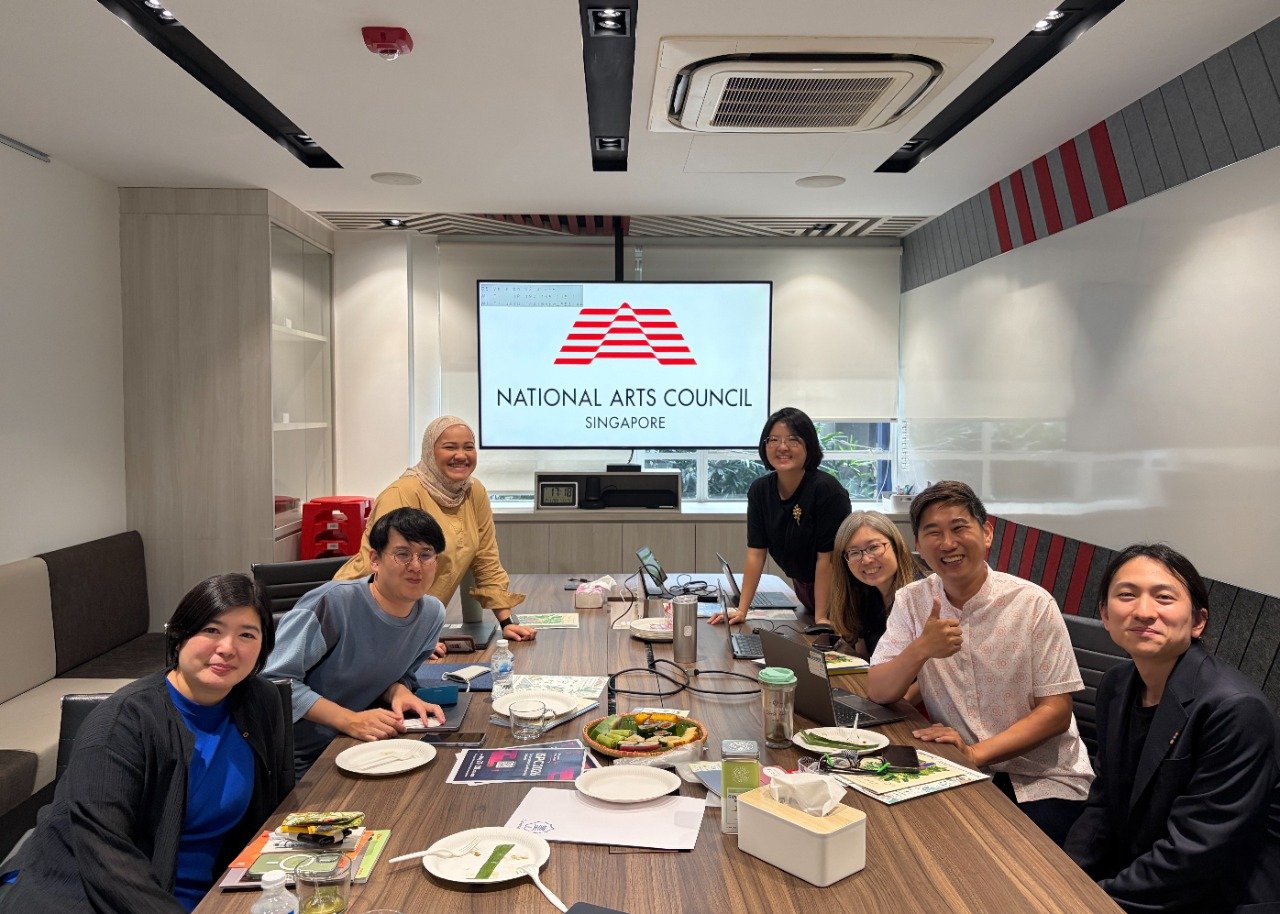
The National Arts Council’s Access & Community Engagement team with members of the research team.
SingHealth Community Hospitals (SCH) — Pioneering Social Prescribing in Healthcare
On the final day, 30 January, the research team visited the Office of Community Engagement and Education (OCEAN) at SingHealth Community Hospitals (SCH) to learn about the development of social prescribing in Singapore. SCH forms part of the SingHealth Regional Health System and serves three regions and 15 planning precincts across eastern, north-eastern and south-eastern Singapore. Its community hospitals provide rehabilitation and recovery care following discharge from acute hospitals. SCH operates approximately 1,100 beds across Outram Community Hospital and Sengkang Community Hospital.
SCH began exploring and preparing for social prescribing in 2017 and independently launched a pilot programme in 2019. Building on its practical experience, SCH was designated the world's first WHO Collaborating Centre for Social Prescribing in November 2024. This recognition has attracted international attention to its work. Social prescribing has also become an important component of Singapore's national Healthier SG initiative, launched in 2023*.
*Healthier SG is a nationwide primary care reform initiative launched by Singapore's Ministry of Health (MOH) in July 2023. The national strategy aims to shift healthcare from a treatment-focused approach towards preventive care. Centred on family doctor enrolment and personalised health plans, the initiative incorporates social prescribing as an important component in strengthening the integration of healthcare and community services. Initially introduced for residents aged 60 and above, Healthier SG was expanded to include those aged 40 and above in January 2024.
SCH's social prescribing programme has evolved through several phases. In its second phase, beginning in 2023, teams were deployed across 15 planning precincts under the Healthier SG framework, with each team serving approximately 35,000–50,000 residents. A network comprising 32 teams brings together SCH Wellbeing Coordinators, community nurses, family doctors, and external social and community partners. In the third phase, beginning in 2025, SCH introduced the Flow-Hold-Link Care Model to strengthen continuity of care after hospital discharge. The model consists of three components:
Flow: Providing self-care guidance at discharge
Hold: Ensuring continued management of chronic conditions by primary care teams
Link: Addressing social determinants of health by connecting patients with community resources
This model strengthens the integration of hospital-based and community-based care.
*Wellbeing Coordinators (WBCs) are a new category of non-clinical professionals specialising in social prescribing. As members of clinical teams, they are responsible for screening hospitalised patients for social determinants of health (SDOH), identifying patients' needs through conversations, co-developing personalised social prescribing plans, connecting patients with community resources after discharge, and facilitating wellness activities.
SCH's social prescribing programmes typically serve subacute inpatients whose hospital stays last approximately three weeks. The programmes address social determinants of health that cannot be adequately managed through biomedical care alone. Social prescribing is positioned not as a replacement for clinical treatment but as a complement to it. The objective is to create a Complete Health Plan combining clinical prescriptions with social prescriptions. Activities are organised into five domains: Advice & Information, Arts & Cultural, Heritage, Nature & Environment, and Physical Activity. The approach is grounded in Asset-Based Community Development (ABCD), which begins with the resources and strengths already present within communities. It emphasises ongoing, person-centred support built around community assets.
In terms of research, a randomised controlled trial (RCT) examining arts interventions was scheduled to begin in April 2026. The study aims to evaluate the effects of activities such as dance and storytelling. Another important theme was the need to transform healthcare professionals' perspectives. This involves moving from a predominantly biomedical model towards biopsychosocial care that recognises patients as whole persons. The Singapore Community of Practice in Social Prescribing (SCOMP), involving approximately 500 members, supports this shift. Through approximately ten gatherings each year, members share case studies, engage in social learning and work to continuously improve the quality of practice. SCH also explained its responsibilities as a WHO Collaborating Centre for Social Prescribing. These include supporting capacity-building workshops, reviewing and providing technical materials, strengthening practical and applied learning, and conducting research.
Wellbeing Coordinators play a central role in social prescribing practice. Their role is comparable to that of Link Workers in the United Kingdom. However, Singapore adopted the title "Wellbeing Coordinator" to avoid potentially negative associations with the term "worker". Coordinators come from diverse professional backgrounds, including individuals who changed careers into healthcare and social services during the COVID-19 pandemic. Clear career pathways and professional development opportunities have been established, with coordinators employed and trained by hospitals.
During the visit, a Wellbeing Coordinator guided the research team through the hospital wards and shared personal experiences of entering the profession and performing daily responsibilities. Structured arts sessions delivered by artists in collaboration with NAC are conducted within the hospital. Storytelling sessions take place on Tuesdays and Thursdays, while dance sessions are held on Mondays and Fridays. Dance activities are adapted for patients with mobility limitations, including movements focusing on the hands. Programmes also incorporate elements of Malay culture, such as fans and drums. For patients unable to participate in group activities, individual bedside activities are offered, including colouring, rangoli-inspired designs and batik-themed crafts. Following discharge, continuity of care is supported through online sessions that patients can join from home, as well as assistance from community volunteers with setting up digital devices. Particularly memorable was the positive feedback reported by patients who had participated in these programmes, including improvements in cognitive stimulation and mood. These observations suggested that social prescribing was becoming increasingly embedded in everyday clinical practice.
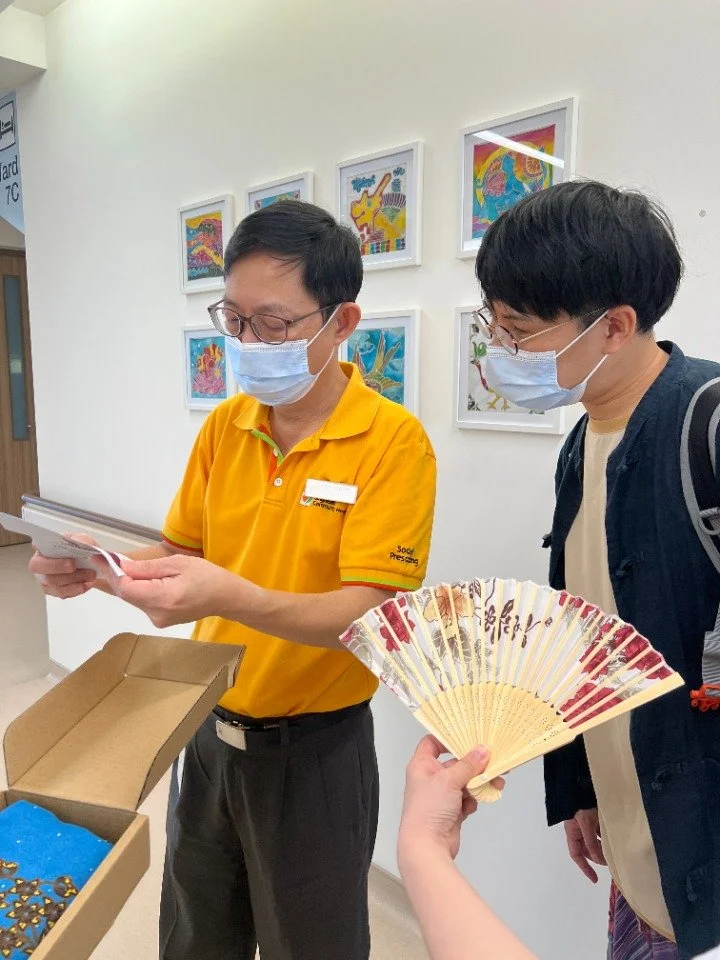
A Wellbeing Coordinator explaining the post-discharge programme participation kit to the research team.
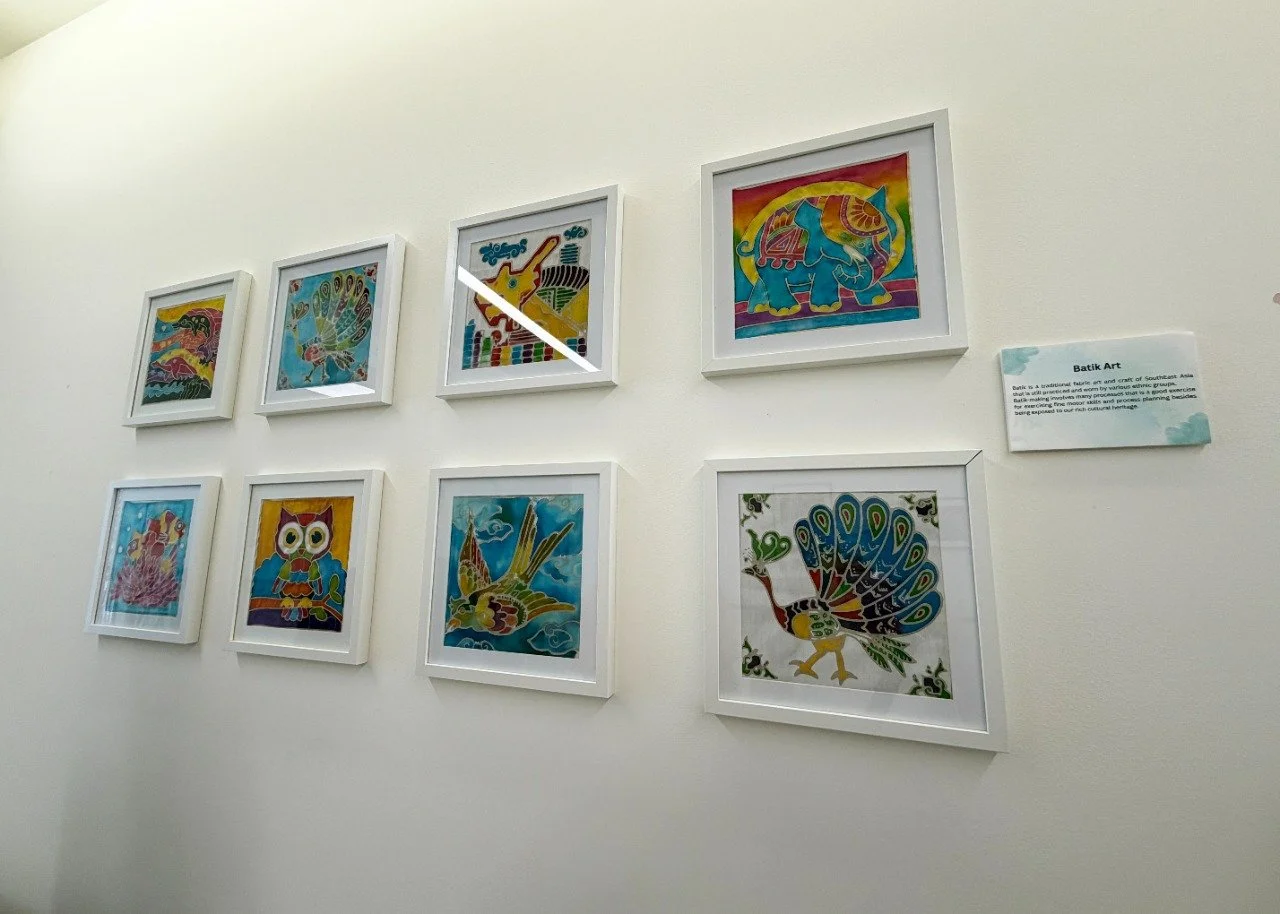
Artwork created by patients during the arts programme, displayed in the hospital ward.
During the discussions, the research team introduced the Hub's initiatives, which generated considerable interest, particularly in its Art Communicator training model and artist-led community projects developed in collaboration with local governments. OCEAN proposed several potential areas for cooperation, including exchanging training materials and research evidence, jointly exploring a hospital-based Art Communicator model, and organising reciprocal visits to share practical experiences. Direct dialogue with a leading institution systematically advancing social prescribing in Singapore provided valuable insights into how the Hub might collaborate with healthcare organisations as it continues to develop, research and implement cultural prescribing initiatives in the Japanese context.
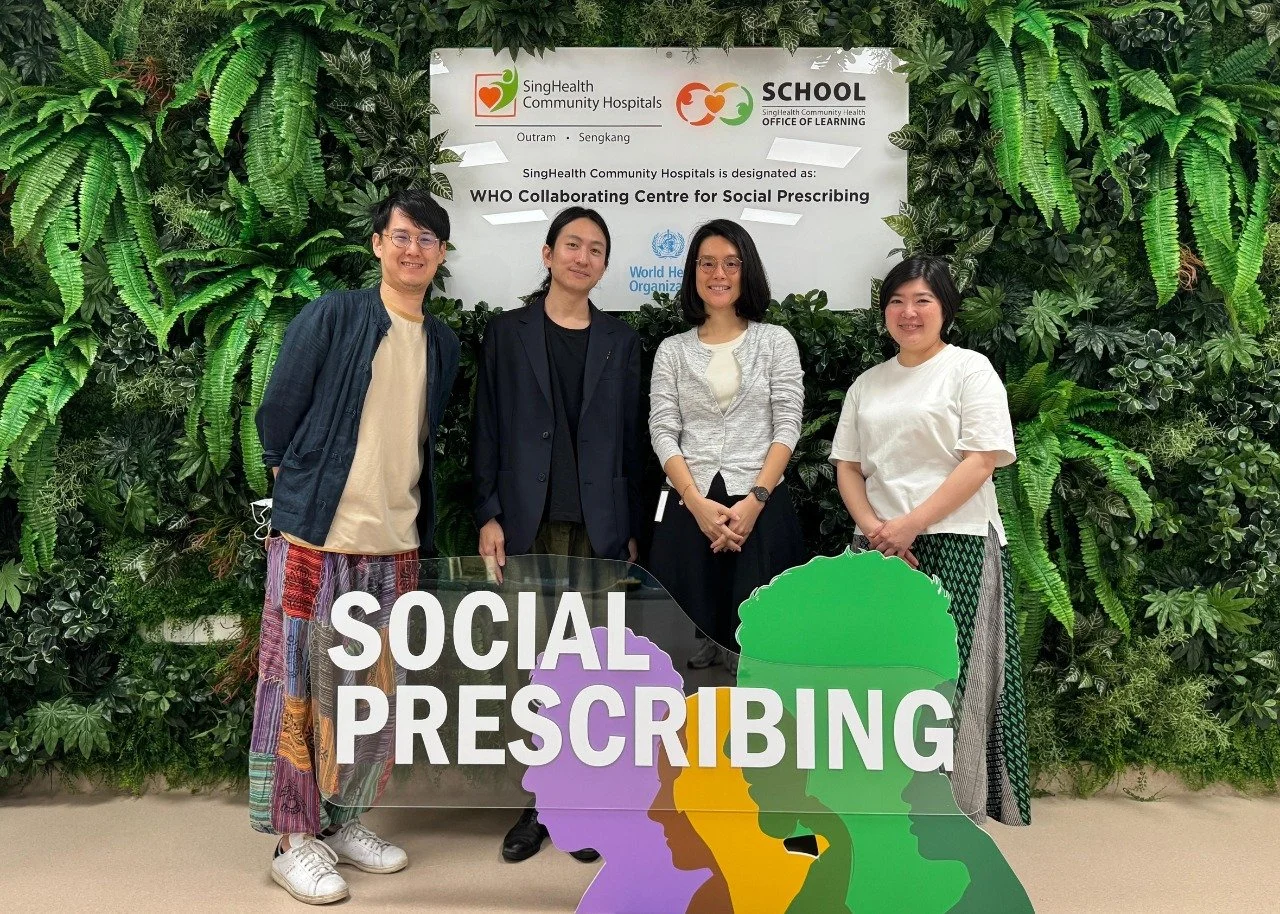
OCEAN representatives with members of the research team.
Reflections on the Singapore Research Visit
In addition to the institutional visits described above, the research team attended programmes held during Singapore Art Week, gaining further perspectives on the connections between artistic activities and local communities. A common impression across the visits was Singapore's distinctive ability to translate clear policy directions into coordinated institutional action, with each organisation contributing its particular expertise.
What became evident was that Singapore's arts, health and well-being initiatives are developing across multiple layers, each operating within its own institutional framework. NHB delivers well-being programmes through arts and cultural heritage across its museums and heritage institutions. NAC builds an ecosystem supporting artists' professional development and evidence generation. SingHealth OCEAN implements and researches social prescribing directly within healthcare settings. Although OCEAN is the principal institution explicitly using the term "social prescribing", cross-sector collaboration is deepening. For example, NAC is working with SCH and AIC to develop an Arts for Health & Wellbeing framework, expected to be completed in 2027.
In Taiwan, social prescribing is being explored through collaborations extending beyond healthcare into a wide variety of community settings. Singapore, by contrast, is particularly notable for its systematic approach to evidence generation. This includes incorporating research design into programme development, collaborating with research institutions, developing evaluation toolkits and assessing the effectiveness of arts interventions.
At the same time, several shared challenges emerged, including establishing sustainable and fair remuneration systems for artists, recruiting multilingual facilitators to meet the needs of multicultural communities, developing more accurate methods for measuring programme impacts, and preventing burnout among practitioners and programme staff. These challenges are also relevant to cultural prescribing initiatives in Japan. The strong interest expressed by Singaporean institutions in the Hub's Art Communicator Training Programme and its large-scale, ten-year collaboration among industry, government and academia reflects the potential for mutual learning around these shared concerns.
One feature shared by Taiwan and Singapore is their active engagement with international standards and networks. In Taiwan, initiatives include signing a memorandum of understanding with the National Academy for Social Prescribing (NASP) and localising Link Worker training programmes. In Singapore, international engagement is demonstrated through the designation of a WHO Collaborating Centre for Social Prescribing and recognition as a Healing Arts Centre of Excellence. These developments position Singapore within international frameworks for evidence and practice. As Asian countries and regions seek to develop distinctive models through international collaboration, the Hub recognises the importance of actively participating in these efforts, including through the International Social Prescribing Conference (ISPC 2026) in Kyoto.
Following the Taiwan visit, this Singapore research trip represents the second step towards developing an Asian Model of Cultural Prescribing. Building on relationships established with Singaporean stakeholders, the Hub intends to expand opportunities for concrete collaboration. These include reconnecting with Singaporean colleagues at the International Social Prescribing Conference in Kyoto in May 2026. By integrating insights gained from the Taiwan and Singapore research visits, the Hub aims to develop a sustainable model that harnesses the power of art to support health and well-being while remaining responsive to each country's cultural characteristics and social challenges.