
YST’s Centre for Music and Health launches The THRivE Toolkit for evaluating health outcomes of arts, heritage programmes
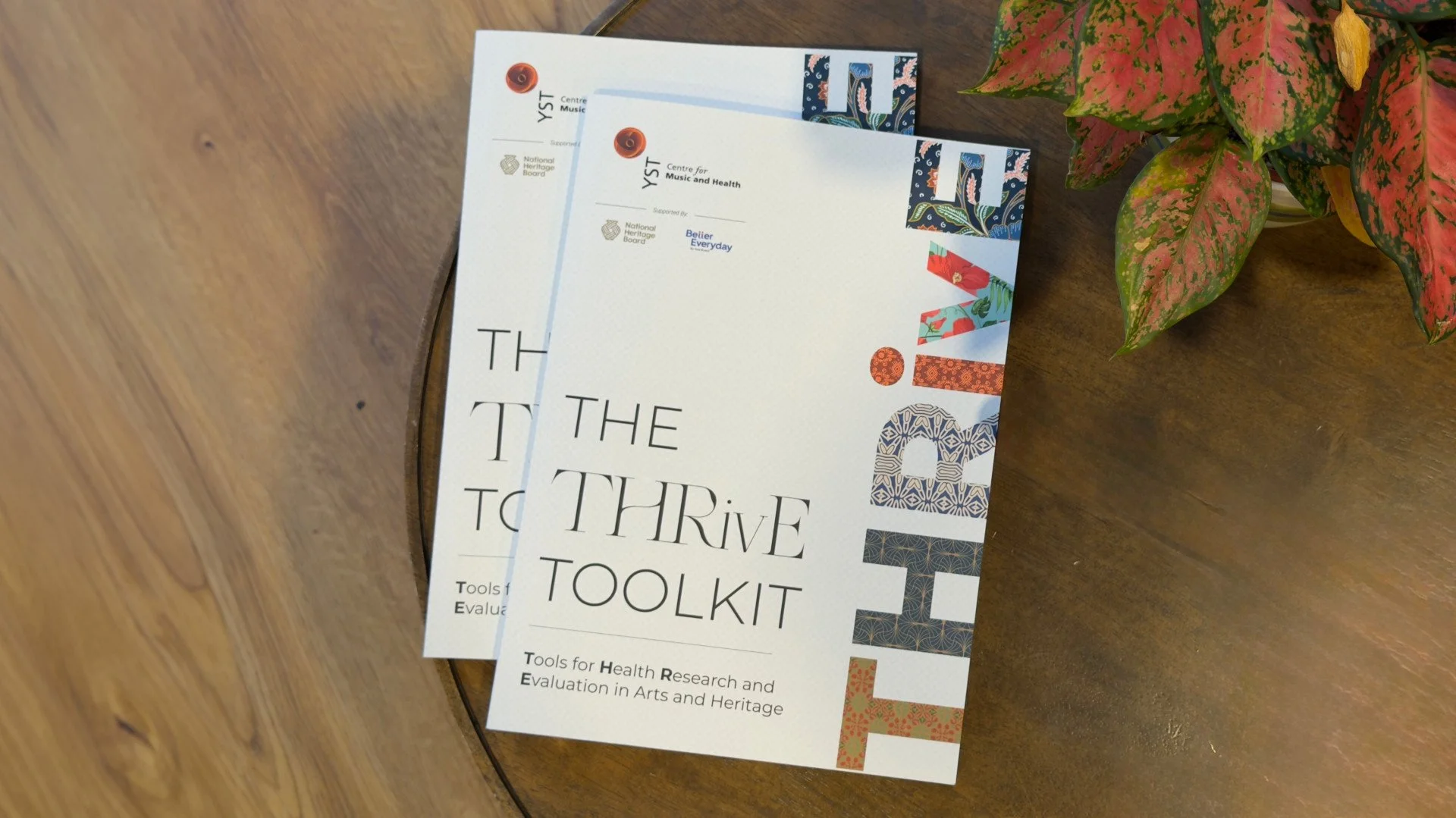
The Tools for Health Research and Evaluation in arts and heritage (THRivE) Toolkit is designed to help arts and heritage practitioners evaluate the impact of their programmes on health and well-being.
The Centre for Music and Health (CMH) at the Yong Siew Toh Conservatory of Music (YST) on 9 December 2025 launched the Tools for Health Research and Evaluation in arts and heritage (THRivE) Toolkit, Asia’s first comprehensive digital resource to help arts and heritage practitioners evaluate the impact of their programmes on health and well-being.
It was developed over two years by CMH with the support of the National Heritage Board (NHB) and Tote Board. The project was led by CMH Director Assistant Professor Kat Agres alongside co-investigators Associate Professor Natalie Pang, who heads the Department of Communications and New Media at the NUS Faculty of Arts and Social Sciences, and Associate Professor Jean Liu of the Singapore Institute of Technology and collaborator Professor Nisha Sajnani of New York University.
The toolkit provides guidance on the fundamentals of research and evaluation, recommended scales for measuring health and well-being outcomes and case studies of existing programmes in Singapore.
It promotes effective and consistent practices to improve various aspects of evaluation, including methodological rigour, such as by reducing biases in study design from small sample sizes and lack of randomisation; usability of findings to support policy decisions, by producing more quantitative results; and comparability of results across studies, by promoting standardised evaluation tools.
The team hopes THRivE will also encourage interdisciplinary collaboration between those working in arts and heritage fields and scientists and clinicians.
“By helping practitioners adopt consistent, high-quality evaluation practices, we truly hope to strengthen the evidence base and advance the field,” said Asst Prof Agres at the launch event. “When the field uses validated tools and brings stronger methodological rigour and consistency into evaluation, findings are more likely to be trusted by policymakers and healthcare leaders.”
THRivE was launched as part of Healing Arts Singapore, a multi-year initiative to advance conversations on arts and health in Asia. Healing Arts Singapore is Asia’s first national-level arts and health convening, co-led by NUS through CMH at YST, the Nanyang Academy of Fine Arts at the University of the Arts Singapore and the Jameel Arts & Health Lab in collaboration with the World Health Organization.
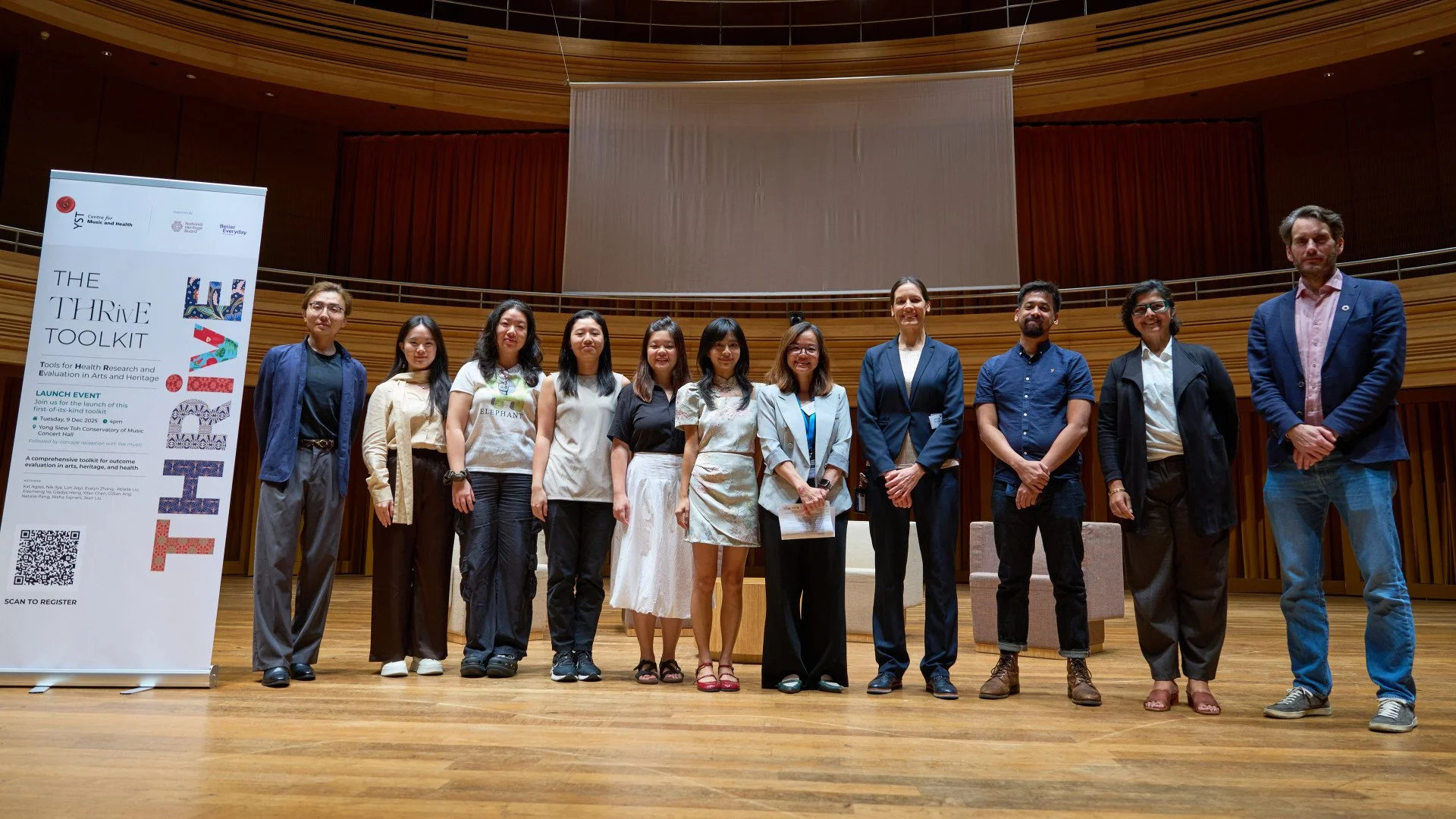
The THRivE team, including Associate Professor Natalie Pang (fifth from right), Assistant Professor Kat Agres (fourth from right) and Professor Nisha Sajnani (second from right), joined by Dr Nils Fietje (far right), Co-Director of Jameel Arts & Health Lab, who moderated a panel discussion at the launch event.
Validating the links between arts and health
Speaking at the launch event, Prof Sajnani highlighted the timeliness of THRivE’s development at a time when creative practice is being recognised globally as a vital contributor to individual and collective well-being. She cited examples like artists-in-residence and creative arts therapists becoming integral members of interprofessional care teams, and museums embracing their role in fostering connection and belonging.
“Around the world, we’re seeing creative practice recognised not as a luxury, but as a vital contributor to individual and collective well-being,” she said. “More people understand that creative engagement supports health just as exercise does, and as policymakers and funders increasingly turn their attention to this work, the need for rigorous, accessible, culturally grounded evaluation has never been clearer.”
THRivE is designed as a stepping stone for arts and heritage practitioners with little to no background in research evaluation. Technical information is condensed into simple decision trees and tables on evaluation methodologies and recommended measurement scales, accompanied by advice on key considerations like generalisability of results and cost of implementation for the various options.
It builds on an earlier Arts and Health Evaluation Toolkit, which was supported by National Arts Council and launched by CMH in July 2025, with additional information on evaluating outcomes related to emotional responses and emotion or mood regulation, evaluating social cohesion, analysing data and reporting and disseminating evaluation results. Some of the additions are specifically geared towards heritage practitioners, such as the section on social cohesion and the inclusion of heritage programmes among the examples in a new chapter devoted to local research and case studies.
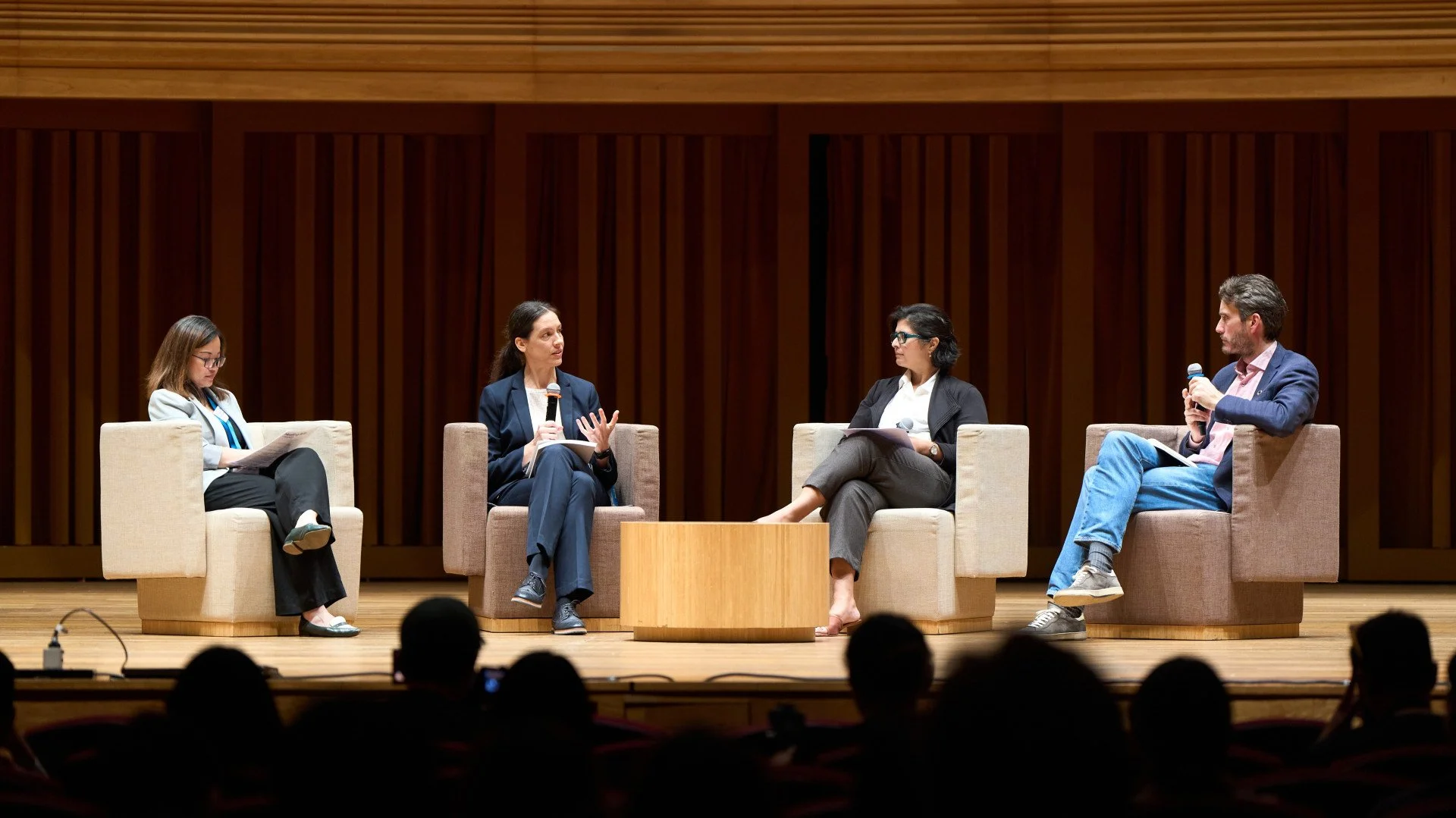
The panellists discussed the toolkit’s features and key considerations for practitioners looking to implement it in their programmes.
The toolkit’s expansion to cover heritage programmes acknowledges the intersections between heritage and the arts, as well as the similar challenges heritage practitioners face in evaluating their impact, Assoc Prof Pang shared in a panel discussion with Asst Prof Agres and Prof Sajnani, moderated by Dr Nils Fietje, Founding Co-Director of Jameel Arts & Health Lab and a Technical Officer at the Behavioural & Cultural Insights unit at the WHO Regional Office for Europe.
She cited batik-making and walking tours around a heritage district as heritage activities that have clear overlaps with arts activities.
“The extent to which heritage activities and programmes have been evaluated for their outcomes is often lacking,” said Assoc Prof Pang, who serves on the Heritage Advisory Panel at NHB.
“Having been on that side where we evaluate grant applications and programme proposals, we as reviewers are aware that heritage practitioners are facing this question of, other than delivery of this programme, X number of tours, X number of participants joined in – what other outcomes can we evaluate? This toolkit is really an important resource kit for them.”
For practitioners with some research evaluation knowledge, the toolkit eliminates significant legwork, like conducting literature reviews to identify and select appropriate scales, said Prof Sajnani, who trains creative arts therapists in research and evaluation. Previously, she had to draw on multiple resources to compile similar information for her students.
The panellists discussed considerations for using the toolkit, which was developed for general populations, rather than specific groups. They recommended that practitioners consult the case studies for examples to follow and exercise caution in changing survey questions, keeping in mind the implications that the changes could have on the comparability of results in the long term.
CMH has already received support from the Tote Board to extend THRivE’s impact, with the statutory board funding its work with arts and heritage practitioners in the coming year to implement the toolkit in their programmes, Asst Prof Agres shared.
She noted that officials who have engaged with Healing Arts emphasised the need for clear, reliable evidence to support resource allocation for arts and cultural programmes. “By encouraging greater methodological rigour and more consistent evaluation practices, I hope we can come to a place where findings are more trusted by decision makers and policymakers… I hope this toolkit can help people not only in Singapore but abroad, because the whole goal here is to support the integration of arts and heritage programmes into mainstream practice.”
The THRivE Toolkit can be downloaded here.